The engineering realities behind building ultrasound systems
Exploring the hidden complexity of integration, scalability and architectural flexibility
Bringing ultrasound into medical devices can appear relatively straightforward at first. But as systems begin scaling, integrating, and evolving, deeper architectural challenges often emerge around synchronisation, scalability, flexibility, integration, and long-term system performance.
Many conventional ultrasound platforms are built around fixed hardware architectures, making it difficult to experiment with new imaging approaches, evaluate alternative system configurations, or adapt systems without significant redesign. For teams exploring new ultrasound-enabled products or advanced imaging concepts, these constraints can slow development, increase technical risk, and limit flexibility later in the development journey.

Engineering lessons from developing a modular ultrasound platform
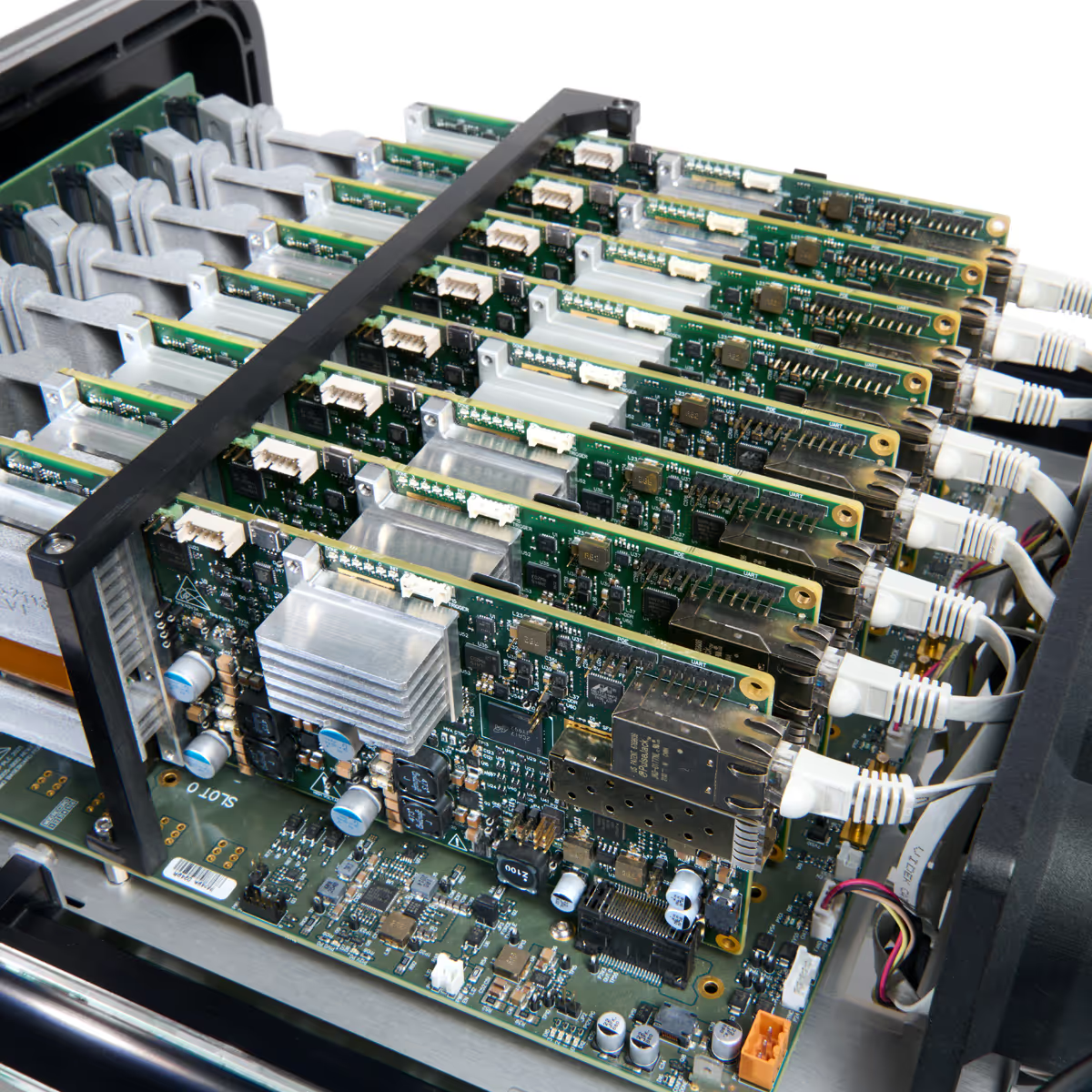
To explore a more flexible approach to ultrasound development, TTP’s Imaging team spent eight years developing a software-defined ultrasound (SDU) architecture designed around modular hardware and flexible software control.
The project became an opportunity to explore many of the system-level challenges that emerge as ultrasound systems evolve - from synchronisation across modular architectures to scalability, integration, signal integrity, and maintaining long-term flexibility.
One of the key advantages of a modular, software-defined approach is the ability to experiment, iterate, and evaluate architectural trade-offs earlier, before teams become locked into rigid system designs.
In this e-book, we share the engineering lessons, technical trade-offs, and architectural decisions behind that journey - particularly for teams developing next-generation ultrasound systems or exploring how ultrasound could be integrated into wider medical devices.
Discover more: What we learnt from building a software-defined ultrasound platform
Modular architectures: designing systems that can scale
Many ultrasound systems are built around fixed channel counts and tightly coupled hardware architectures, making it difficult to adapt systems as requirements change.
The SDU project explored a modular architecture based on scalable channel modules, allowing different system configurations to be evaluated without repeatedly redesigning the underlying platform.
The work highlighted how early architectural flexibility can reduce future redesign cycles and support faster experimentation as systems evolve.
Explore the role of modular architectures in ultrasound R&D.
Synchronisation and architecture: keeping systems coherent as they grow
As ultrasound systems scale, synchronising signals across multiple boards and channels becomes increasingly challenging. Timing errors can quickly degrade imaging performance.
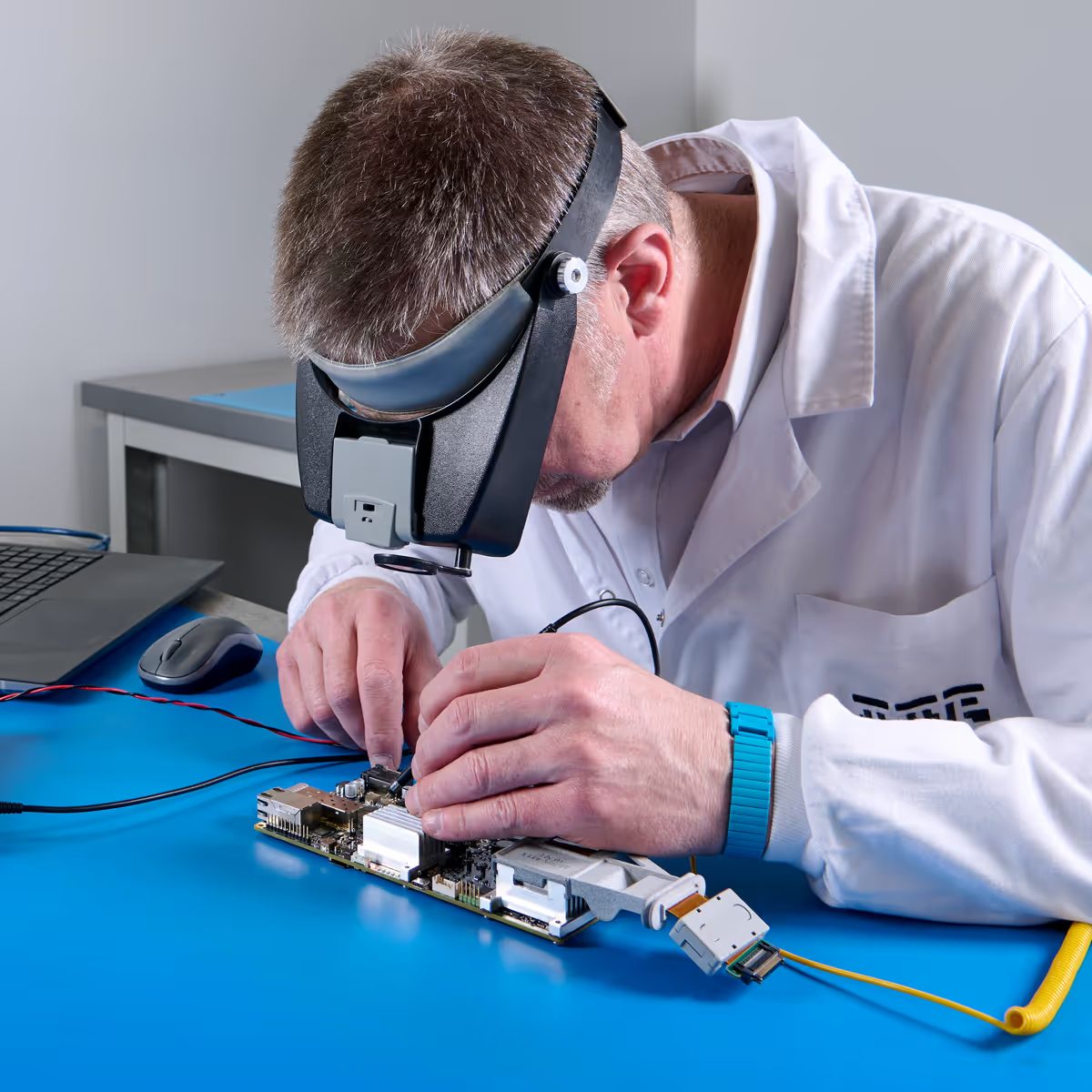
The development of the SDU platform required careful consideration of clock distribution, communication protocols and FPGA-based control to maintain precise synchronisation across modular hardware components.
These experiences underline how early architectural decisions about synchronisation can determine whether systems remain flexible as they expand.
Find out about the synchronisation challenges in modular ultrasound systems

Engineering for experimentation and productisation
Many ultrasound systems developed for research require significant redesign before they are suitable for regulated medical products. One aim of the SDU project was to explore architectures that allow experimentation while keeping productisation considerations in mind.
Design choices such as modular hardware, flexible software interfaces and early attention to EMC constraints help reduce the gap between research systems and deployable medical technologies.
The lessons from the project highlight how architectural flexibility can support both early-stage experimentation and the transition toward stable, test-ready systems.
Learn more about designing ultrasound systems for long-term flexibility


Meet us at





Our areas of focus:
Medical Devices & Drug Delivery
Our approach and capabilities
We deliver across the entire life of a project, from opportunity discovery to production engineering. Discover how our interdisciplinary teams of experts collaborate to tackle the toughest product development challenges.

Our campus and facilities
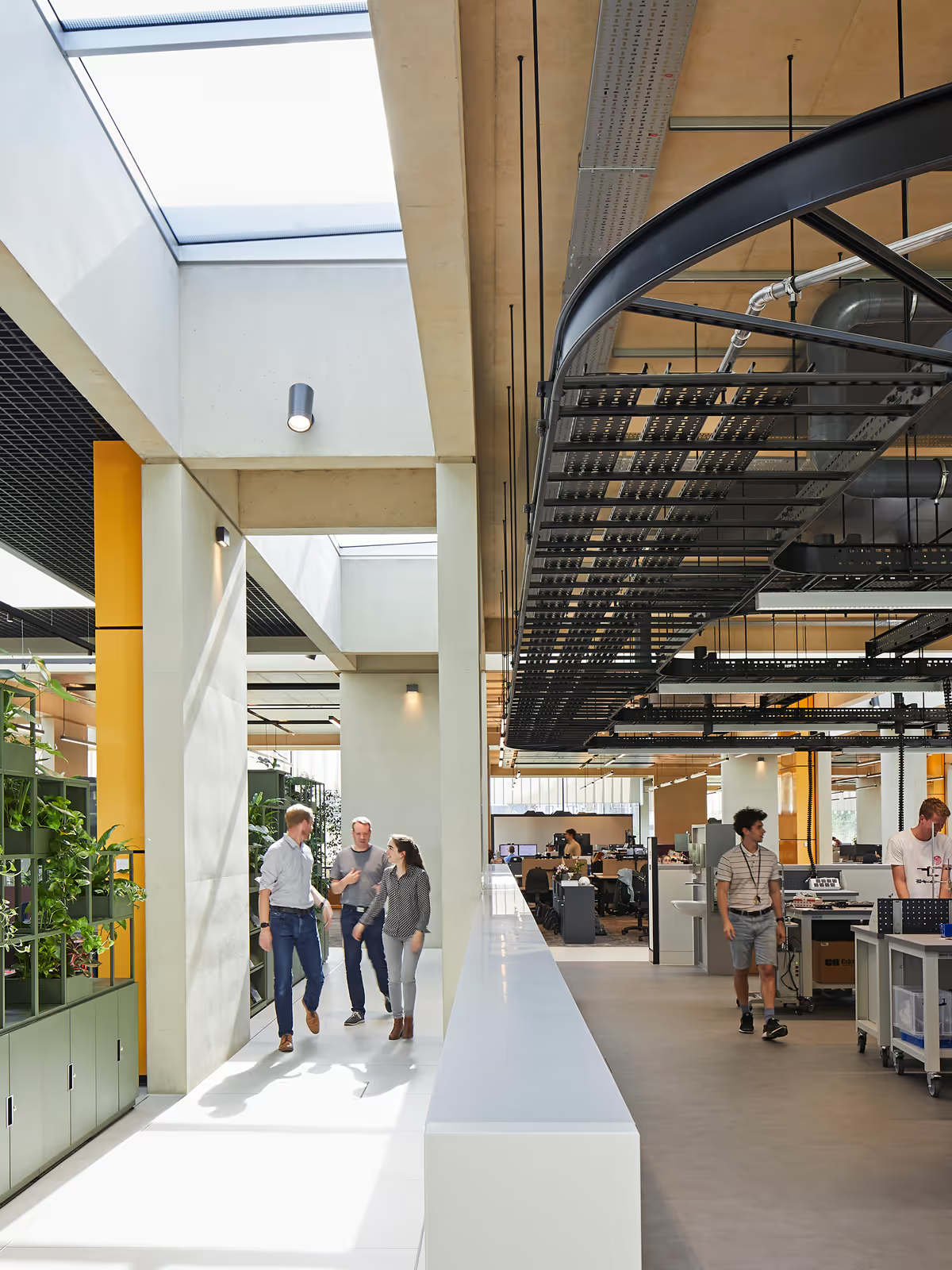
Our award-winning campus has been designed with a clear vision. To create space which can suport our people and our clients as we develop and deliver the very best technology solution.
Software capability at TTP
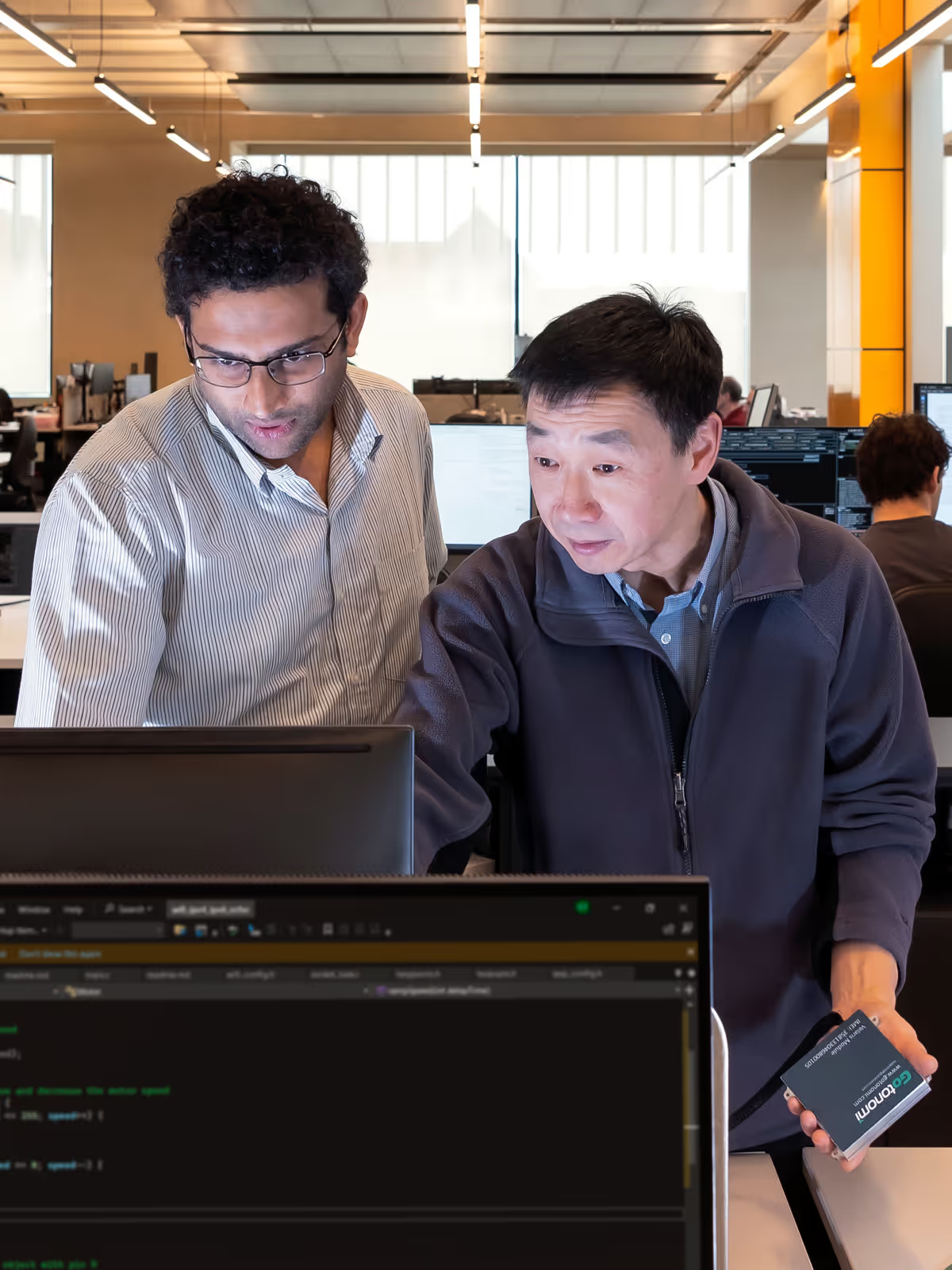
Engaged in all stages of software and product development, our software capability at TTP covers the full spectrum—from in-depth analysis and system architecture to prototype design, implementation, and test development.
Manufacturing capability at TTP
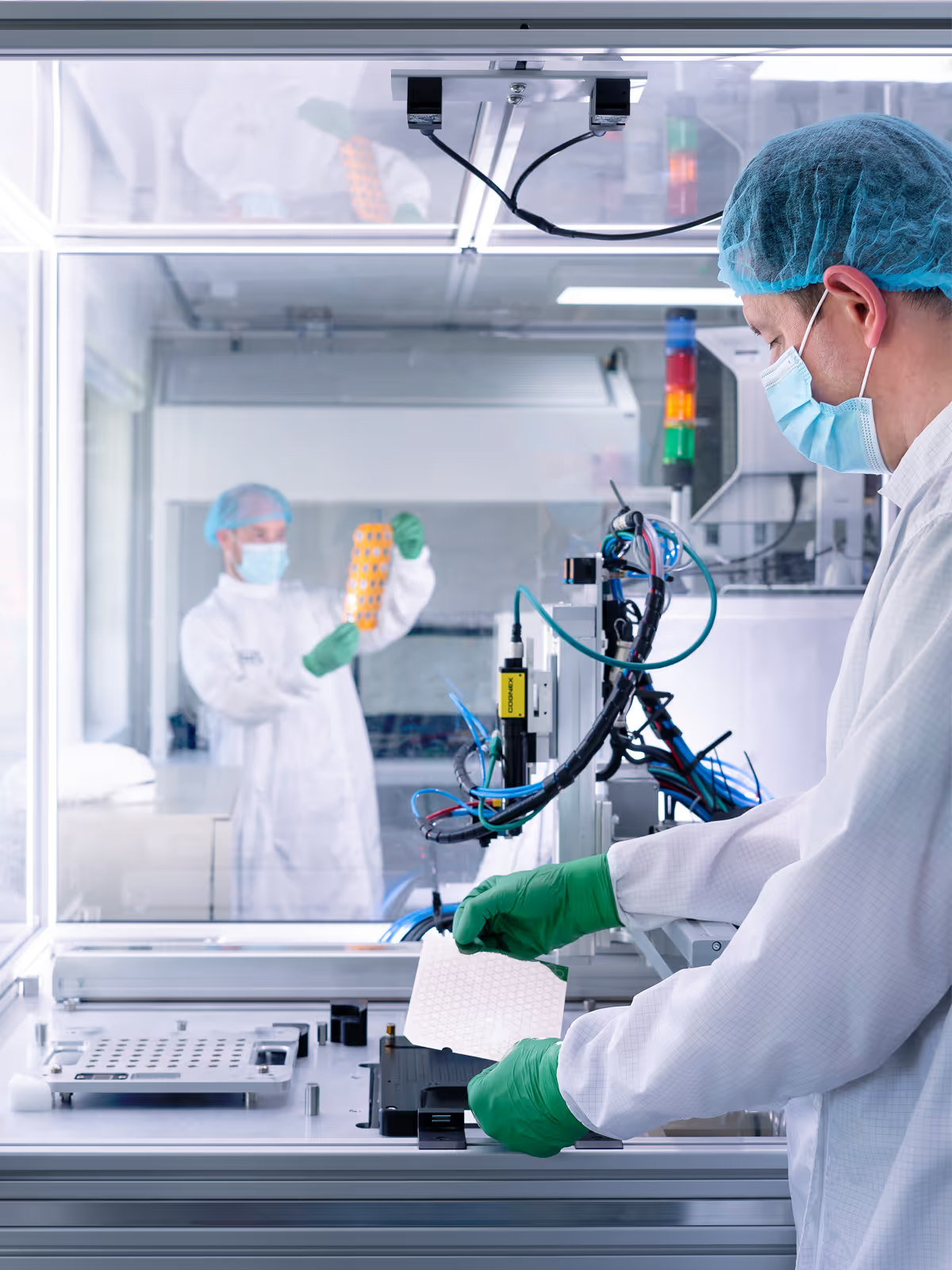
Working seamlessly with our development teams, we take clients' products through prototype builds, clinical trials, pilot manufacture and more. Using TTP Manufacturing reduces uncertainty, risk and time to market for our clients.
Meet some of the team

Jamie Collin

Paul Galluzzo

Marco Grasso
Talk to us about your next project
We help clients with all stages of their most complex and challenging technology and product development projects.
If you're considering the next steps along your innovation journey, why not get in touch?